
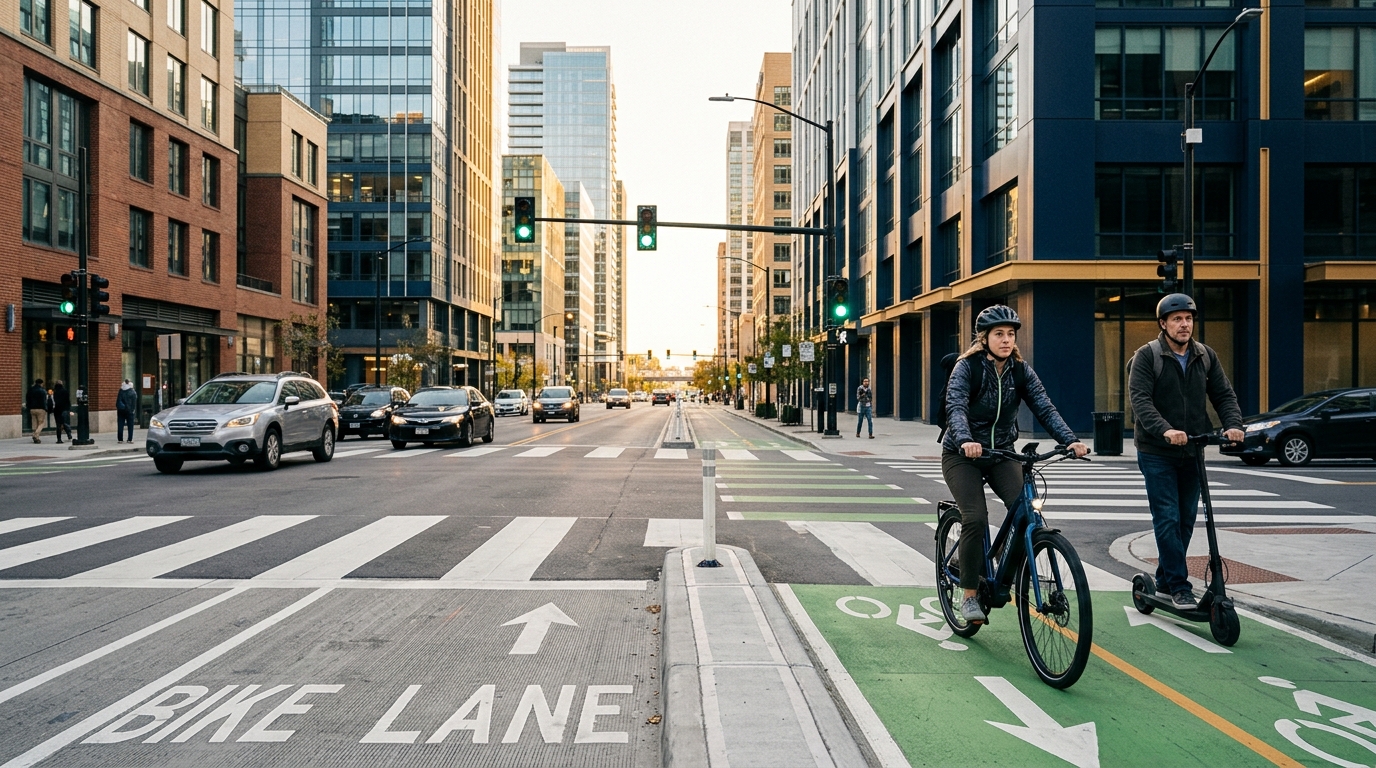
E-bikes and electric scooters have become a normal part of transportation in many American cities. People use them to commute, make deliveries, reach public transportation, explore downtown areas, and replace short car trips. As their popularity grows, however, so does an important legal question: when an e-bike or e-scooter crash causes an injury, who may be financially responsible?
The answer is not always the rider or the driver of the nearest car. A micromobility accident can involve negligent motorists, rider conduct, defective equipment, rental companies, dangerous streets, property owners, or several parties at the same time.
The issue is increasingly important. According to an April 2026 report from the U.S. Consumer Product Safety Commission, hundreds of thousands of emergency-department visits were associated with micromobility products between 2017 and 2024. CPSC also found that motor vehicle accidents and loss-of-control issues were among the major hazards associated with e-bike and e-scooter fatalities.
City Law Guide provides general educational information, not legal advice. Traffic rules, e-bike classifications, scooter regulations, insurance requirements, negligence standards, and filing deadlines vary by state and city. Anyone injured in a serious crash should review the law that applies where the accident occurred.
Why E-Bike and E-Scooter Accidents Can Involve Several Responsible Parties
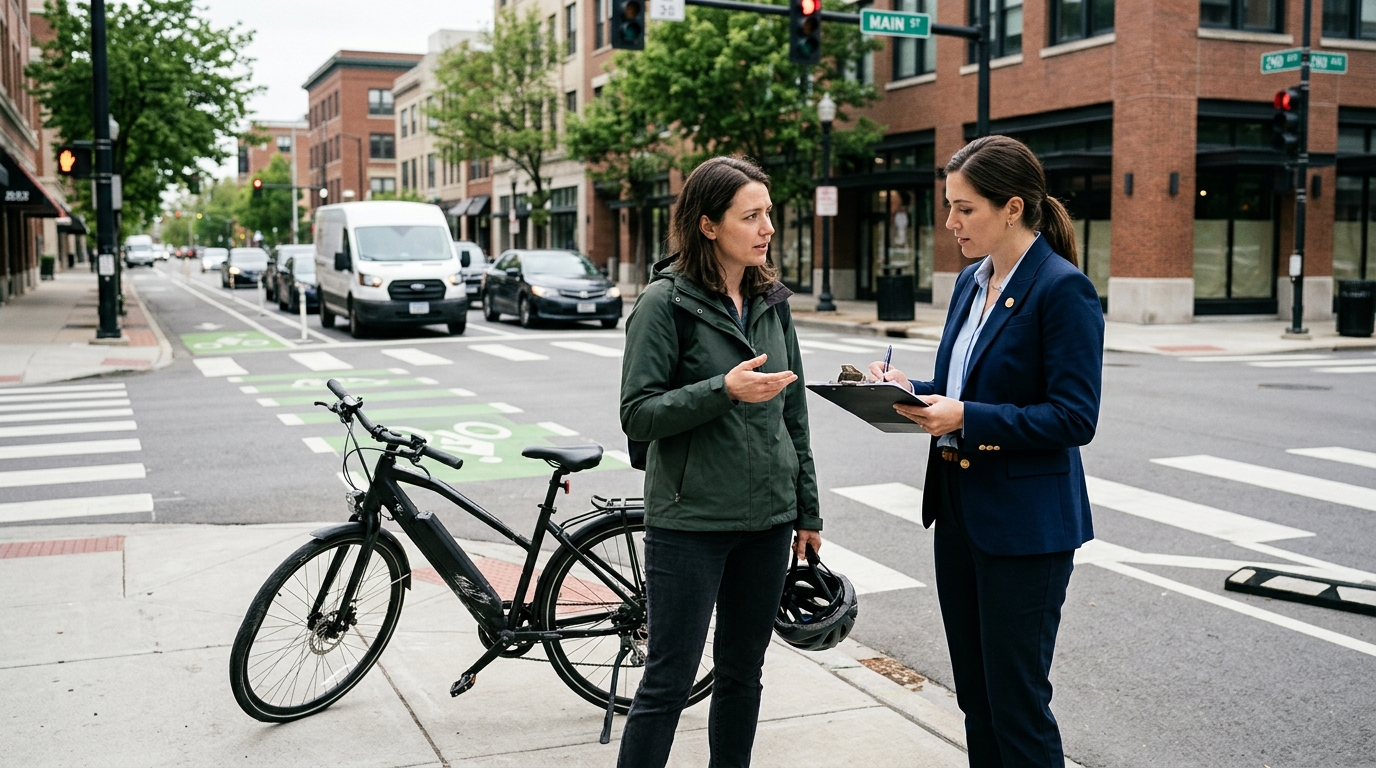
A traditional two-car collision often begins with a relatively straightforward question about which driver violated a traffic rule. Micromobility crashes can be more complicated because the rider may be using a bike lane, roadway, shared path, sidewalk, intersection, rental device, or privately purchased product.
Speed also matters. Electric assistance can allow riders to travel faster than people around them expect, while an e-scooter’s smaller wheels may react sharply to potholes, uneven pavement, debris, or sudden braking. At the same time, motorists may fail to see riders because of blind spots, poor lighting, parked vehicles, or unfamiliarity with bike-lane traffic.
Drivers, Riders, and Other Road Users May Share Fault
When a motor vehicle collides with an e-bike or e-scooter, investigators may examine traffic signals, lane position, right-of-way, speed, turning movements, visibility, distraction, and whether either person violated a local traffic law.
CPSC’s 2026 micromobility report found that approximately 24 percent of estimated e-bike injuries examined in its 2024 special study were associated with motor vehicle accidents. That does not establish fault in any individual collision, but it demonstrates why interactions between cars and electric bicycles remain an important safety and liability issue.
Motorist Negligence Remains a Major Liability Question
A driver may be responsible when negligent driving causes a collision. Examples can include failing to yield while turning across a bike lane, opening a vehicle door into a rider’s path, speeding, running a traffic signal, driving while distracted, following too closely, or failing to maintain a proper lookout.
Evidence can become especially important when a driver claims that the rider appeared unexpectedly. Traffic cameras, dashcams, nearby security video, witness statements, vehicle damage, bicycle damage, GPS records, photographs, and intersection design may help show where each person was immediately before the crash.
An injured rider should not assume that the absence of direct vehicle contact eliminates a claim. A motorist’s conduct could potentially cause a rider to swerve or fall even if the vehicles never touch. Whether liability exists depends on the evidence and applicable negligence law.
Rider Conduct Can Affect a Personal Injury Claim
E-bike and e-scooter riders also have responsibilities. Depending on local law, relevant conduct may include ignoring traffic signals, riding against traffic, failing to yield, carrying passengers where prohibited, using a device in a restricted area, riding while distracted, or operating at an unsafe speed.
Helmet rules vary significantly by state, age, device classification, and location. Whether the absence of a helmet affects an injury claim also depends on local law and the injuries involved. It should not automatically be assumed that a rider who was not wearing a helmet caused the collision itself.
Many states use some form of comparative negligence. Under these systems, more than one person can potentially share responsibility for an accident. A rider might therefore have a claim against a negligent driver even if the rider is also found partly responsible, although the amount recoverable may be reduced. Other jurisdictions apply different rules, making location-specific legal review important.
Readers can browse the Personal Injury category for additional accident-related information or visit the broader Legal Topics section.
Products, Rental Services, and Dangerous Roads May Also Matter
Not every micromobility accident begins with another road user. Sometimes the equipment itself fails. In other situations, a dangerous street condition contributes to the crash. Rental devices can introduce additional questions about inspection, maintenance, software, warnings, and whether the particular scooter or bicycle was safe when provided to the rider.
Defective Brakes, Batteries, and Components Can Create Additional Claims
Electric bikes and scooters contain mechanical and electrical systems that can fail. Possible problems include defective brakes, steering components, wheels, frames, throttles, batteries, chargers, wiring, and electronic controls.
Product safety concerns are not theoretical. In June 2026, CPSC warned consumers to stop using certain e-bikes after receiving reports that front wheels could detach without warning. The agency said it was aware of 32 wheel-detachment reports, including 31 injuries involving conditions such as concussions and broken bones. Earlier in 2026, CPSC also warned about fire hazards involving batteries and wiring on certain e-bikes. Those warnings involve specific products and do not mean that e-bikes generally are defective, but they illustrate why preserving the device after a crash can be important. :contentReference[oaicite:1]{index=1}
A product-related claim may involve a manufacturer, distributor, retailer, component supplier, or another company in the product’s chain of distribution, depending on state law and the nature of the defect. Potential theories can involve manufacturing defects, defective design, inadequate warnings, negligence, or warranty issues.
After a serious unexplained crash, an injured person should generally avoid repairing, modifying, selling, discarding, or destroying the bicycle or scooter before determining whether it may be evidence. The battery, charger, broken parts, purchase records, maintenance records, photographs, serial numbers, and app data may all become relevant.
Rental Companies and Public Road Conditions May Affect Liability
Rental e-scooters and e-bikes raise another set of questions. A rental company may have responsibilities related to maintenance, inspections, repairs, warnings, and the condition of its equipment. If a brake fails or a known mechanical problem contributes to an accident, maintenance records and prior complaints could become important.
Rental agreements can contain waivers, arbitration provisions, and other contractual terms. Their legal effect varies, and a waiver should not automatically be assumed to eliminate every potential injury claim.
Road conditions can matter as well. Large potholes, dangerous pavement transitions, missing covers, construction hazards, poorly maintained paths, or other defects may contribute to a crash. Claims involving a city, county, state transportation agency, or other government entity can be especially complicated because special notice requirements and shorter administrative deadlines may apply.
A private property owner or contractor could also become relevant when a dangerous condition occurs on private property or results from construction work. Determining responsibility often requires identifying who controlled, created, inspected, or was required to repair the condition.
What an Injured Rider Should Do After an E-Bike or E-Scooter Accident
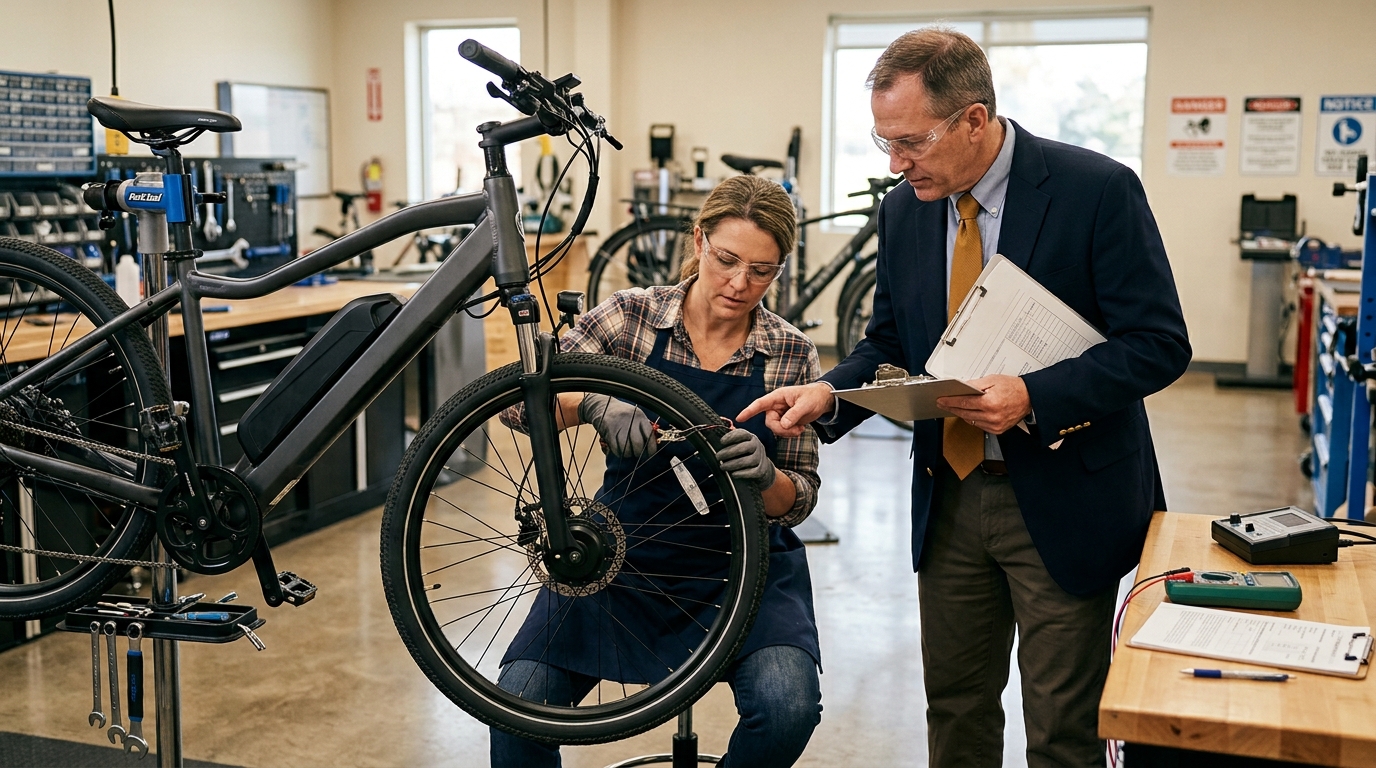
Evidence can disappear quickly after a micromobility crash. A rental scooter may be removed from the scene, road debris may be cleared, surveillance footage may be overwritten, and witnesses may become difficult to locate. Taking reasonable steps to preserve information can therefore make a substantial difference later.
Medical care should come first when an injury requires attention. Emergency and follow-up medical records can document diagnoses, treatment, symptoms, and how the injuries affected daily activities. Delaying necessary treatment can also make it harder to understand the extent of an injury.
Preserve Evidence and Identify Every Potential Claim
If circumstances allow, photograph the roadway, intersection, bicycle or scooter, nearby vehicles, traffic signs, lane markings, potholes, debris, lighting conditions, and visible injuries. Obtain contact information from drivers and witnesses and report the collision to the appropriate authorities when required.
For app-based rentals, save screenshots showing the trip, device identification number, route, start and end times, charges, and any error messages. Keep emails and communications with the rental provider. For privately owned devices, retain purchase receipts, manuals, maintenance records, chargers, batteries, and replaced components.
If a motor vehicle was involved, available insurance coverage may become a major issue. Depending on local law and the circumstances, an injured rider may potentially look to an at-fault driver’s liability insurance, the rider’s own applicable insurance coverage, or other sources. Serious injuries can make identifying every available policy particularly important.
People dealing with a major accident can use the City Legal Guides to research location-specific information, review Legal Resources, or visit the Directory when looking for local legal professionals.
For current federal product-safety information, review the U.S. Consumer Product Safety Commission’s micromobility safety and injury information. CPSC publishes safety guidance, injury research, recalls, and warnings covering e-bikes, e-scooters, batteries, and related products.
The most important lesson is that an e-bike or e-scooter accident should not automatically be treated as a simple rider error. A negligent driver, defective component, rental provider, dangerous road condition, contractor, or combination of parties may have contributed to what happened.
Determining liability requires looking beyond the fall itself. Where was the rider traveling? What did nearby drivers do? Did the equipment function correctly? Was the road reasonably safe? Who owned and maintained the device? What evidence exists? Those questions can reveal whether an accident that initially appears straightforward actually involves several potential claims.